Suburban Gardening 2026 Recap (Year 7)
As the snow melts again, and we wait for enough new snow to take the kids sledding, I begin to think about seeds, damp soil and tiny green sprouts, spreading compost, pruning blueberries, and all the other tasks of late winter and early spring. It's only January, to be sure, but winter is a ripe time for planning out the next season of gardening.
My garden recap for 2025 comes a little late. Better late than never. We had a busy fall and winter: homeschooling activities picked up pace; Randy won his election race for city mayor; we welcomed a new baby.
Our winter has been mild so far. Many flowers bloomed through October, with some surviving even longer. Just last week I found a purple pansy spreading its petals above green leaves in one of my garden beds. (Go back to sleep, little flowers, it's not spring yet!)
We are still enjoying some fruits of this past year's garden, which I'll detail below.
Read about my gardening journey so far:
- 2019: How we built garden beds
- 2019: Year 1
- 2020: Year 2
- 2021: Year 3's plan, how it went, and why and how we preserved food
- 2022: Year 4's plan, and how it went
- 2023: Year 5's plan, and how it went.
- 2024: Year 6's plan and how it went
- 2025: Year 7's plan
How did the garden do this year?
This year, for the first time, I had made a garden schedule to help me keep track of when I ought to start seeds, transplant seedlings into the garden, harvest vegetables and herbs, and replant. I followed it in the spring and early summer. It was very helpful in staying on top of everything! I'll make a similar schedule for the coming gardening season.
My effort waned as summer turned to fall. Pregnancy and toddlers can lead to that! By early fall, I was actually glad that I didn't have an overwhelming number of tomatoes to process!
(Fortunately, I still have dehydrated tomatoes from last year, though we're all out of tomato purees and tomato jam.)
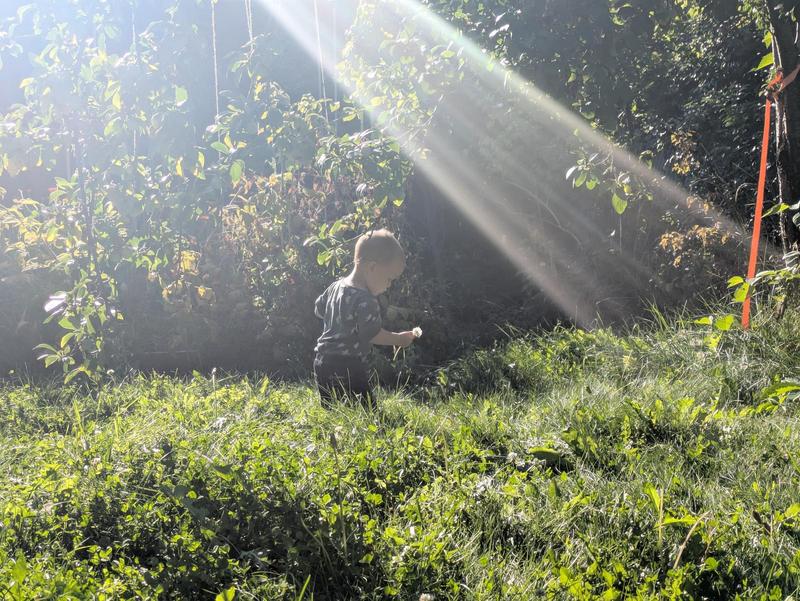
One of the highlights this year was my toddler. He loved the garden: from the first red raspberries, to the sugar snap peas, blueberries, tomatoes, and plums: he loved running out into the yard to see what tasty treats he could discover! In the fall, when everything had been harvested, he resorted to munching on crabapples... not the larger reasonably tasty kind, either, but the tiny decorative super astringent ones, because they were the only small growing things he could find to munch on! I can't wait to see how happy he'll be come spring, when the garden is growing again.
Greens and early roots
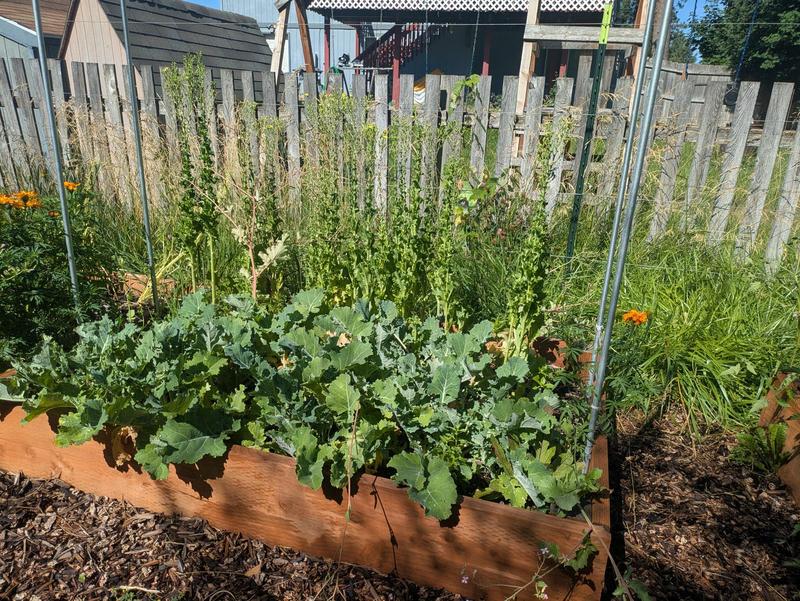
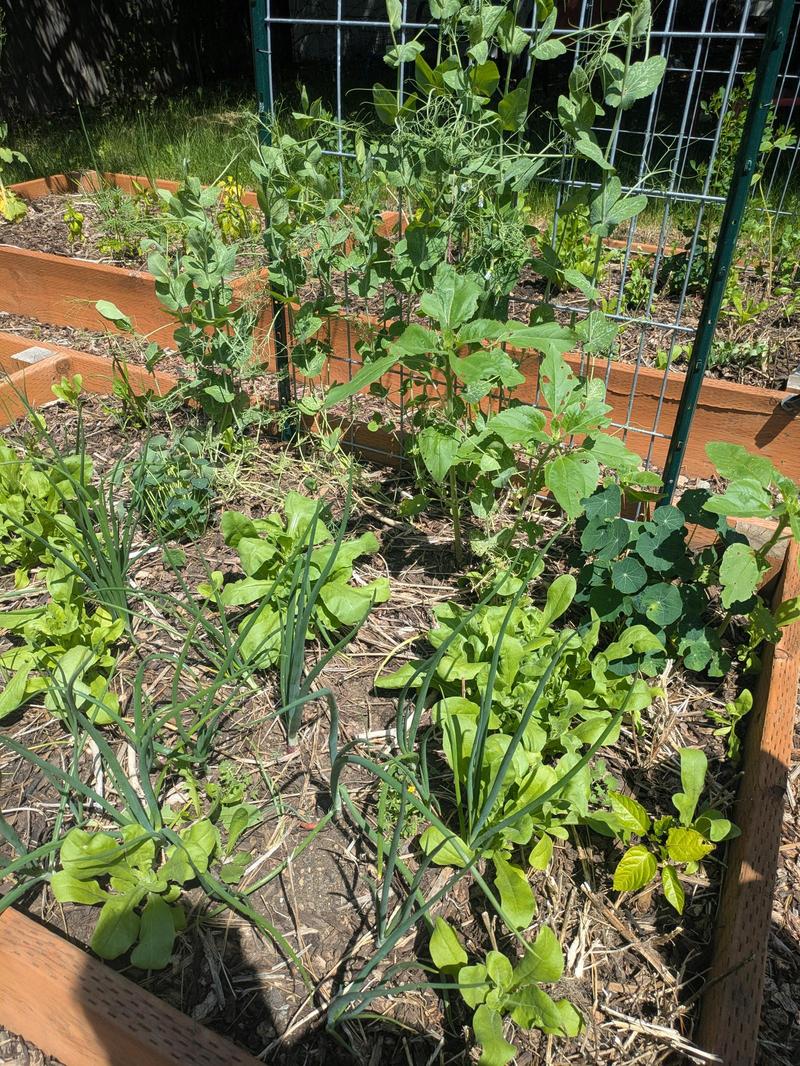
Our early greens were wonderful. It's so nice to have dock, kale, lettuce, arugula, spinach, and miscellaneous other green things popping up right when I'm excited about spring weather and garden work. I spent most of the spring eating salad. This year, I remembered with the help of my schedule to plant a second round of some greens, namely lettuce and arugula, but that is because it was only late spring. I neglected the garden further later in the season. I should have planted another round or two in late summer and early fall.
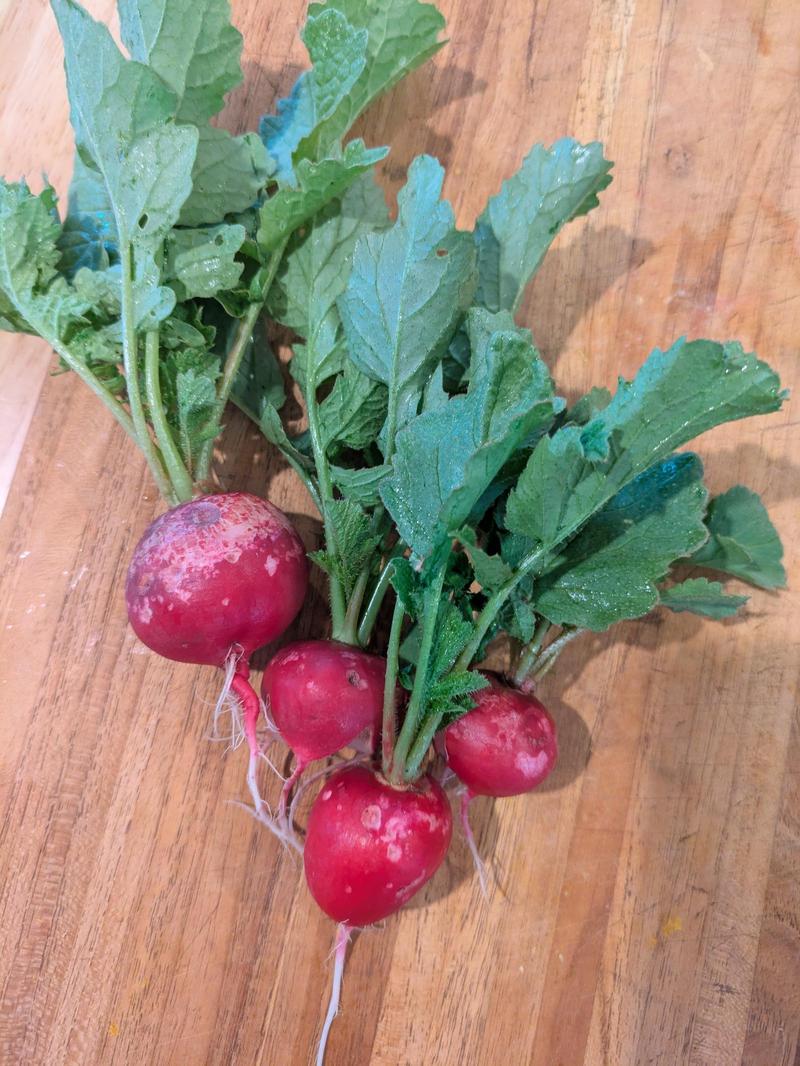
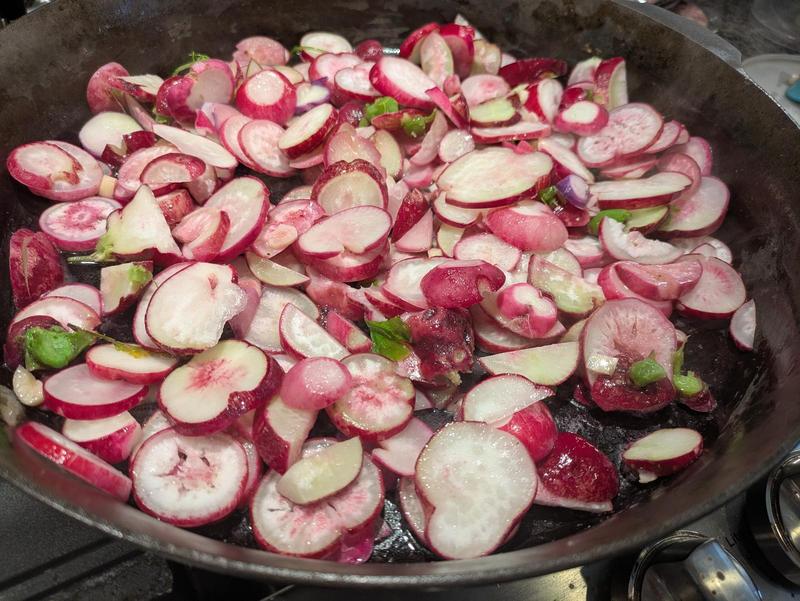
This year, I also planted radishes for the first time. The first time?! Radishes are a garden staple! Yes, but I thought I didn't like them, because I had only ever encountered them raw on salads. Then I learned you can cook them—such as sauteed with garlic and butter—and they are far tastier that way! We had an early crop of radishes; I hadn't realized how quick they were! Definitely something we'll plant again.
Peas and beans
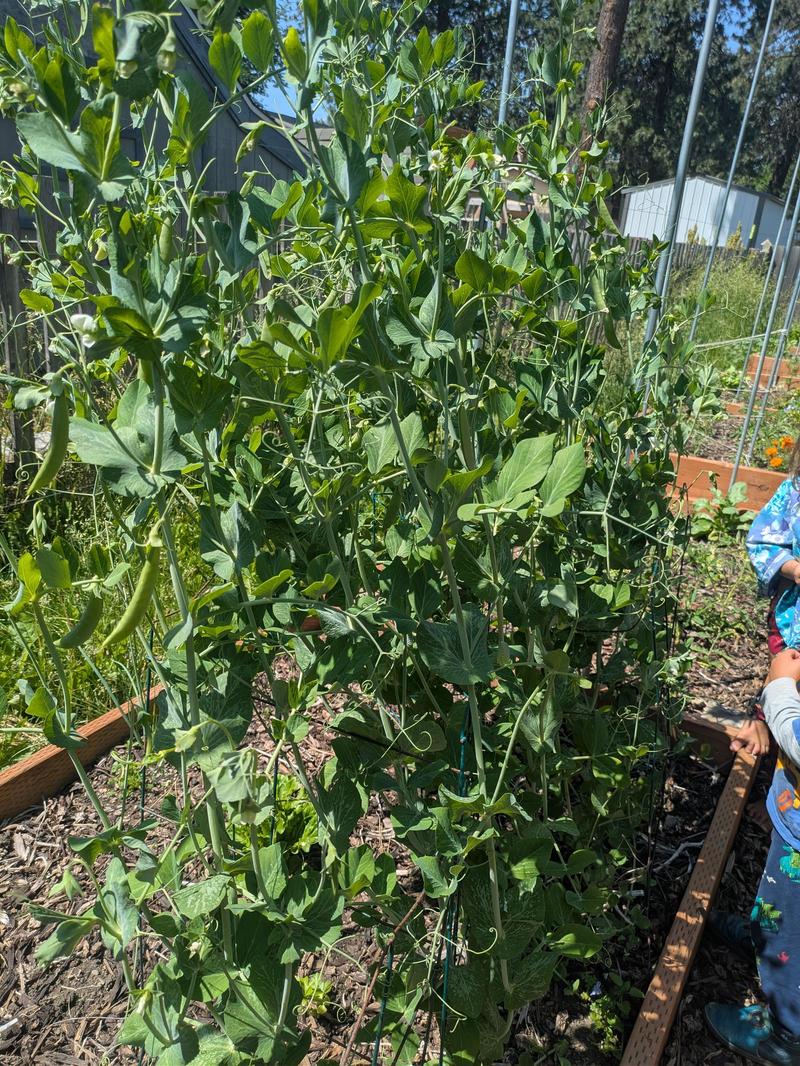
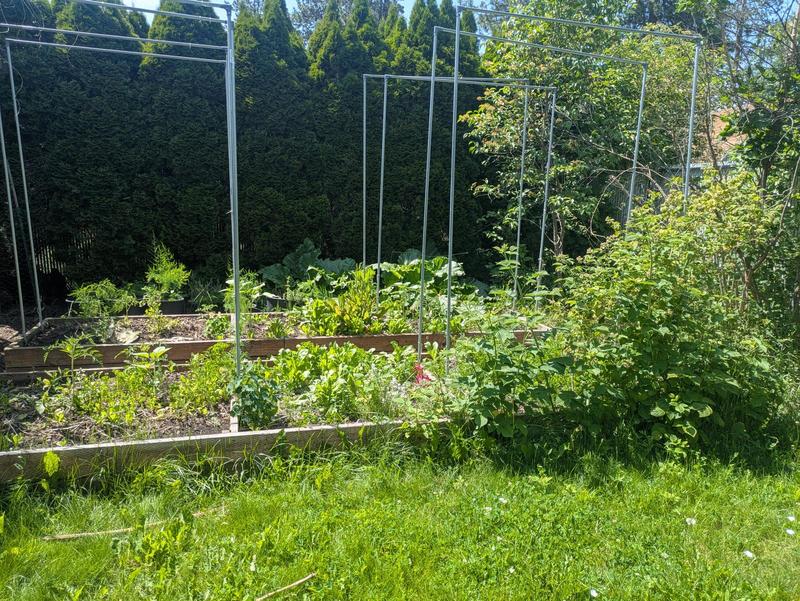
We had a good patch of peas! I took over one of the tomato beds to give it a rest from tomatoes and filled it with peas and beans instead. We also planted peas and beans along the new trellis arches that we had added in the spring. The bean crop was not large, but there were enough peas for continual snacking! I remembered to replant the peas at least once so we would have a longer harvest.
Our 1-year-old loves the peas. I think he loved that he still had something to wander into the garden to pick after the raspberries were finished.
Tomatoes
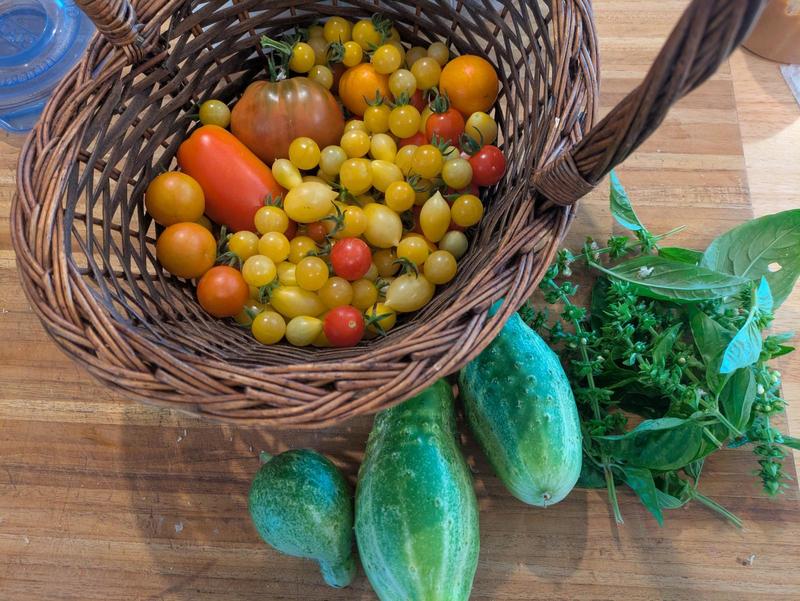
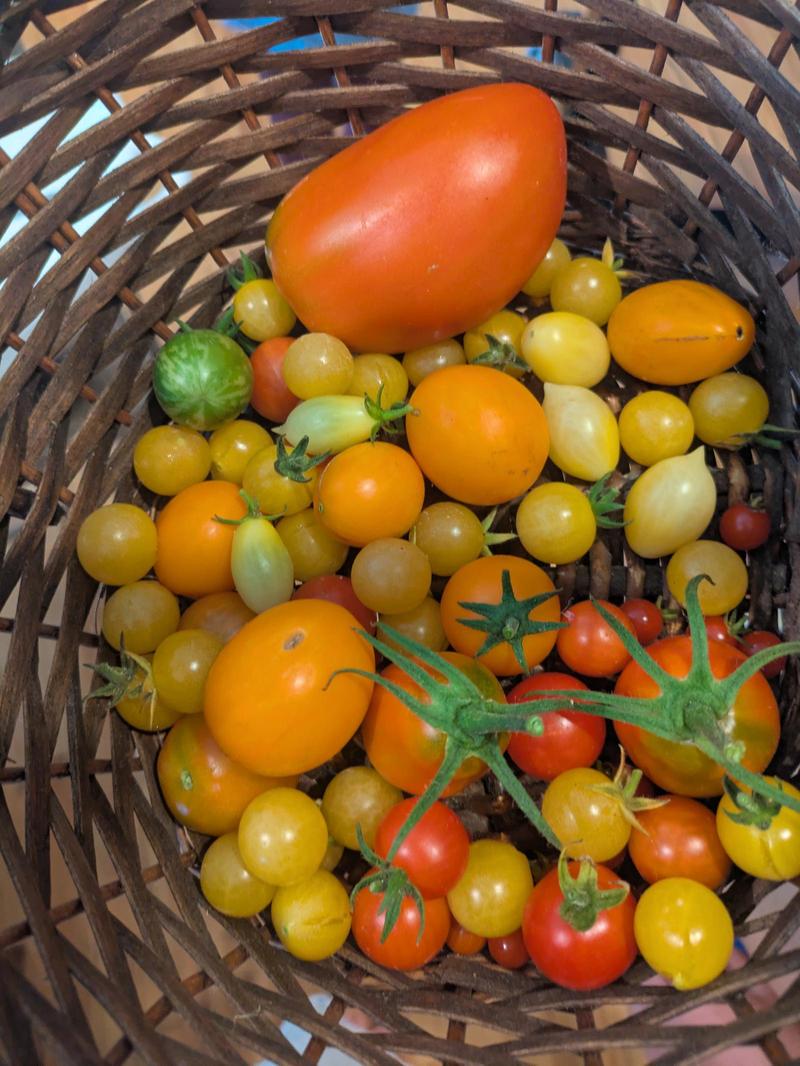
We got fewer tomatoes than in past years, despite planting about as many plants. Honestly, this was fine, because I didn't feel like spending August and September processing the excess into sauces or dehydrating them.
There were two main reasons for this. First, I think I need to seriously work on the soil in the tomato beds. I have six beds with trellising for tomatoes. Two in the older half of the yard and four in the expansion. For the last two years, I had tomatoes in all four expansion beds, and mostly kept them out of the older two. This year I put tomatoes back in the older two and in only two of the expansion beds, giving two expansion beds a break from tomatoes. I've added compost and fertilizer almost every year, but I don't think it has been enough to keep up with the nutrients demands of the tomatoes. Maybe I'll get the soil tested in the spring to figure out exactly what needs supplementing.
Second, the two older beds were overgrown with calendula, which had self-seeded itself everywhere. I didn't keep up with weeding. Our youngest toddler liked to pull the wrong plants, so we just avoided some of the weeding altogether…. it was that kind of year! Given which tomatoes ended up in which beds, we grew predominantly smaller tomatoes, which worked great for the kids who liked to graze the yard for snacks.
It was also a very dry summer, and though of course I try to stay on top of watering, I probably gave the tomatoes uneven water throughout the summer, stressing them. I'm still hoping to get a drip system to combat this problem in the future. Maybe next year will be the year.
Carrots and other vegetables
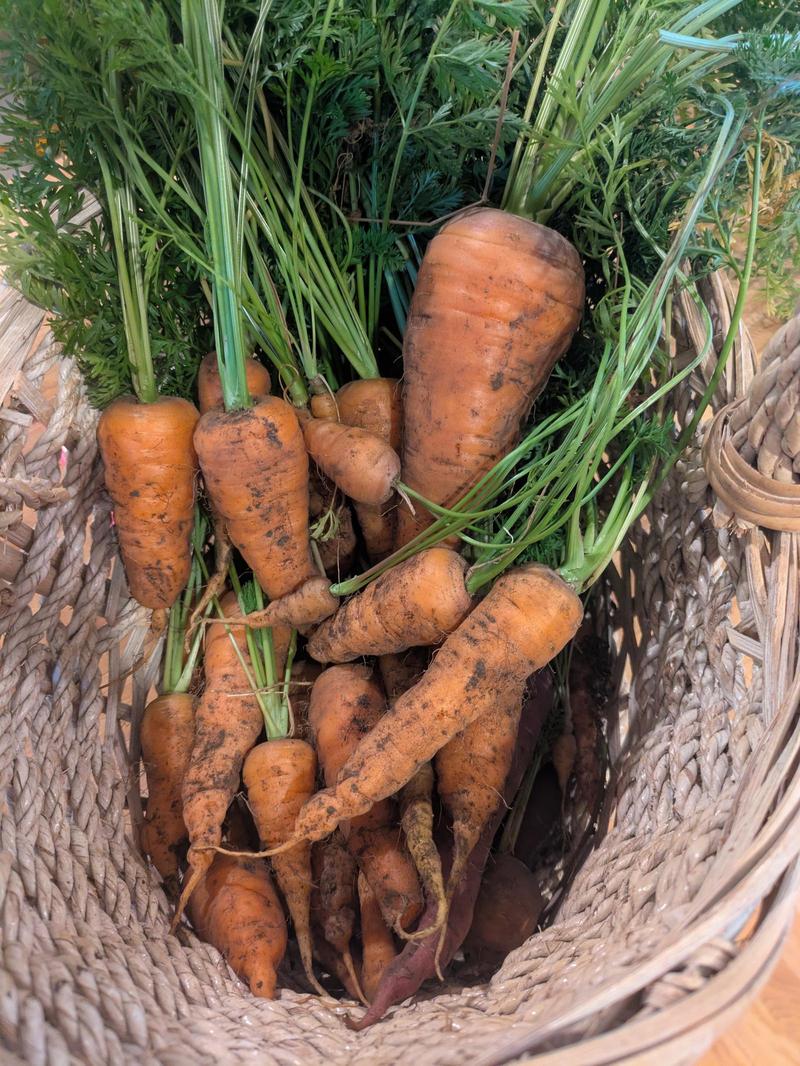
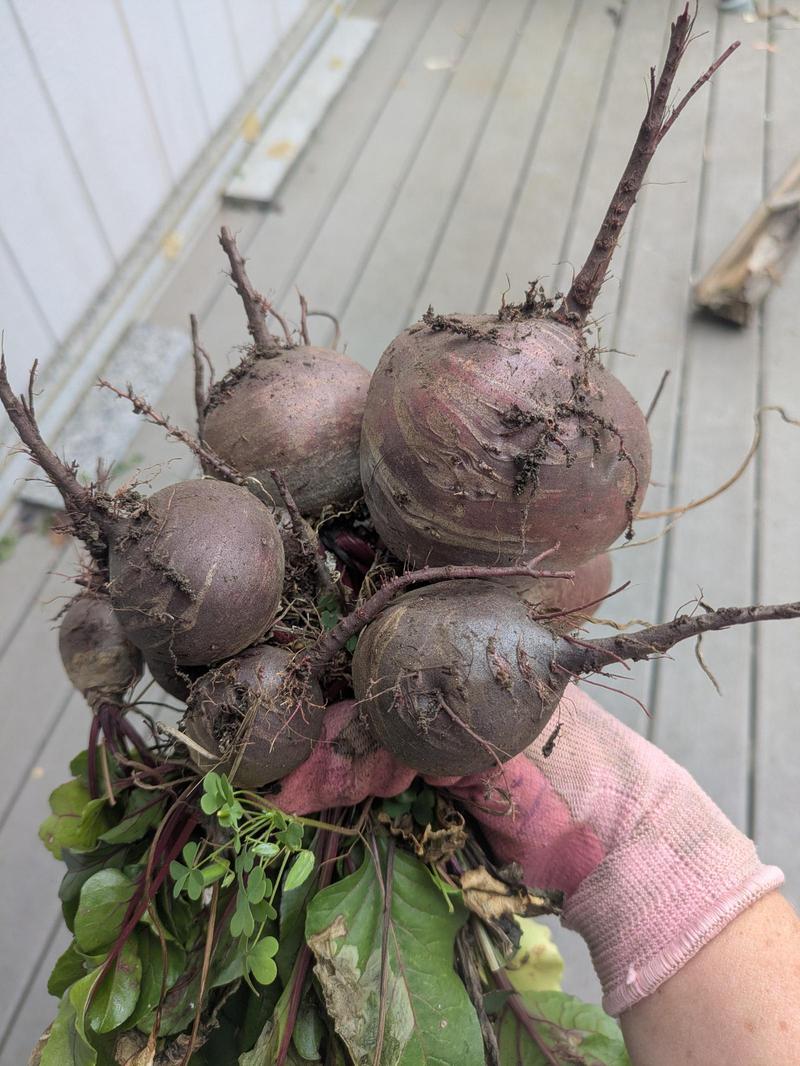
The kids planted some carrots and beets, and while we didn't grow a ton, the ones we got were delicious. Same for cucumbers.
Flowers
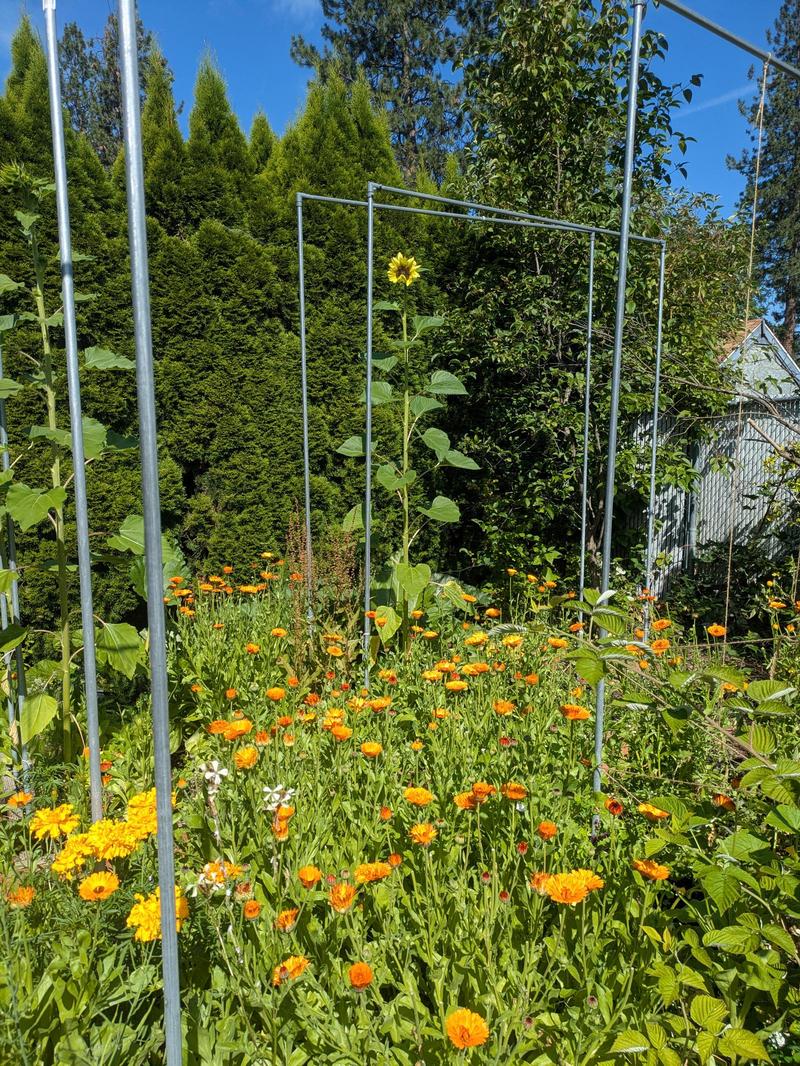
This year's star was calendula. Calendula came up everywhere, just like last year, in all the garden beds where it had grown before, and in the paths between garden beds, and in a few other places too. I let most of it grow. I dug up 50-some baby calendula from the paths to share and sell. I collected the flowers all summer. I dried most of them, and I sold some fresh and some dried.
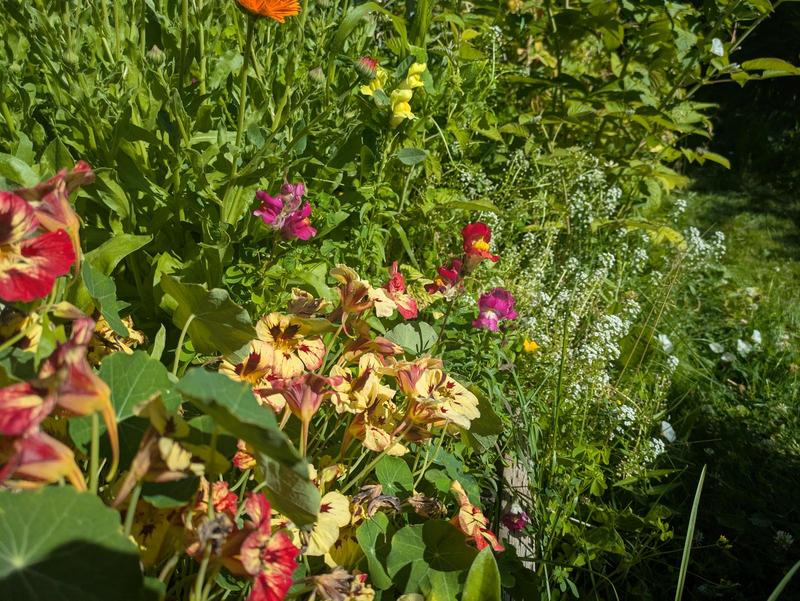
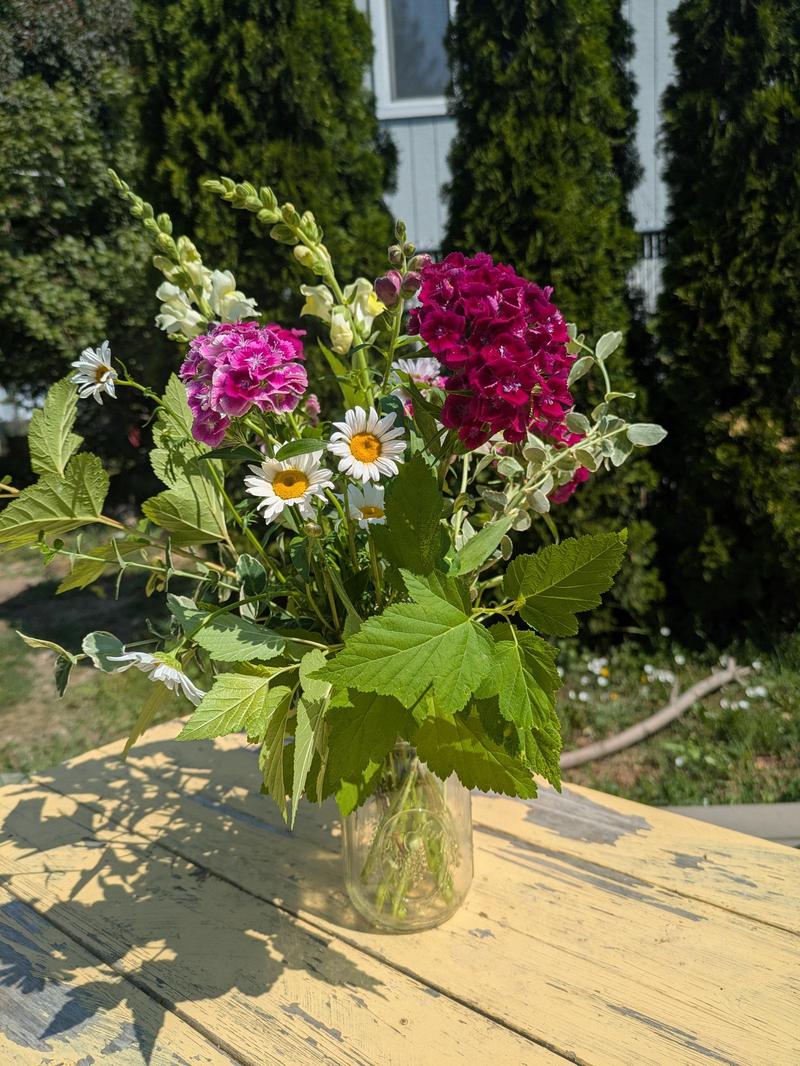
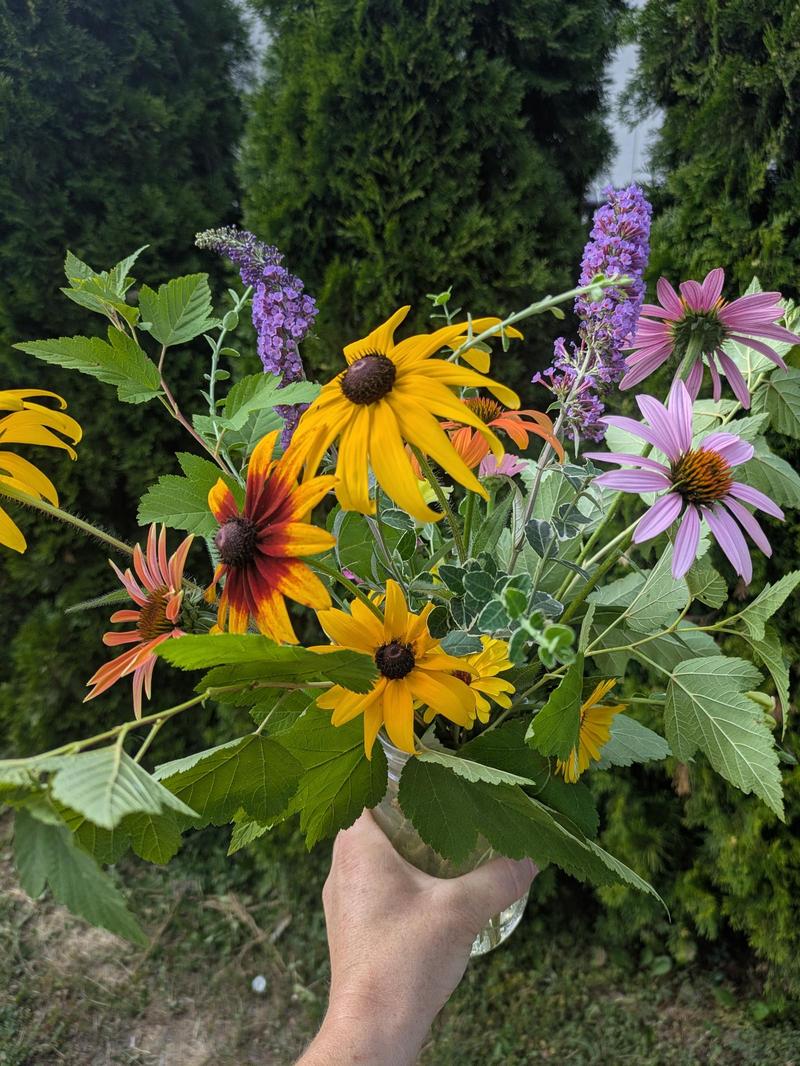
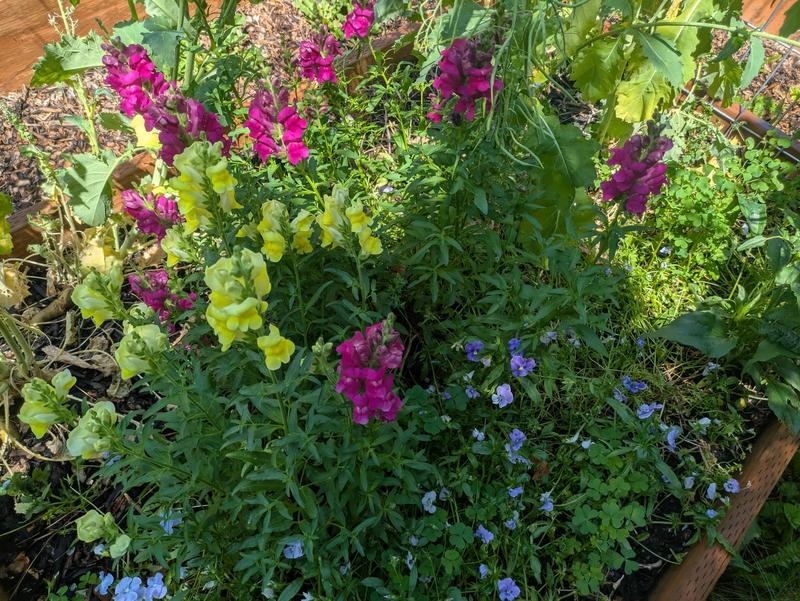
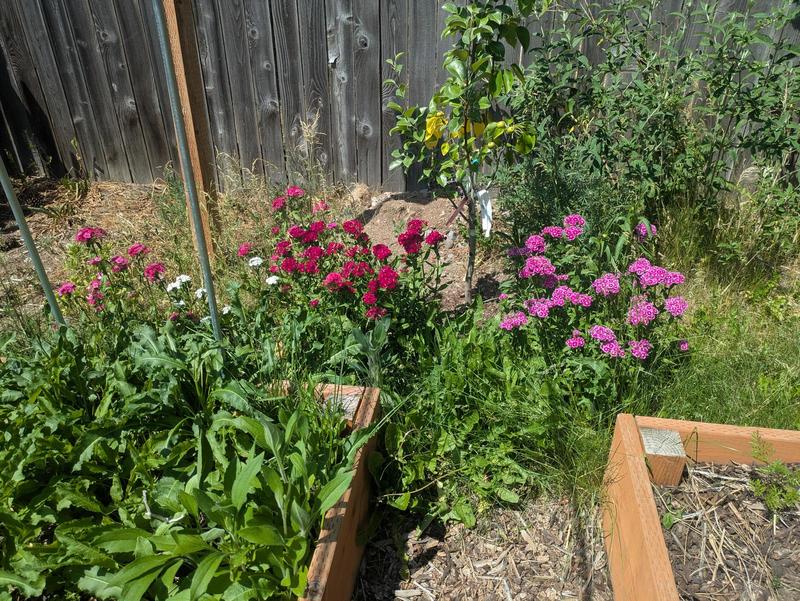
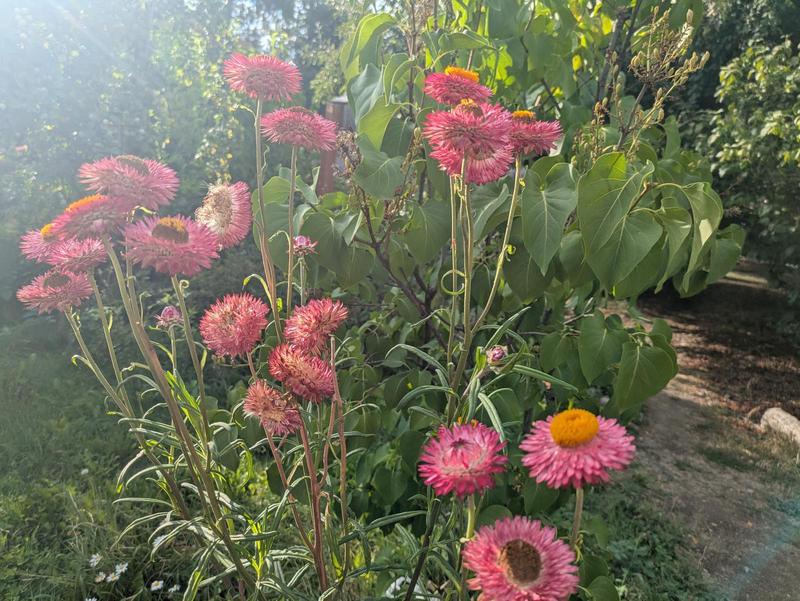
I grew an assortment of other flowers as well, the usual mix of marigolds, cosmos, snapdragons, and so on. I tend to plant these interspersed among everything else in the garden, instead of having a separate flower bed. I grow them to attract bees and other pollinators, deter pests, add color to the garden, and furnish us a few bouquets for our kitchen table. We had a warmer fall, so we had flowers blooming through October into November.
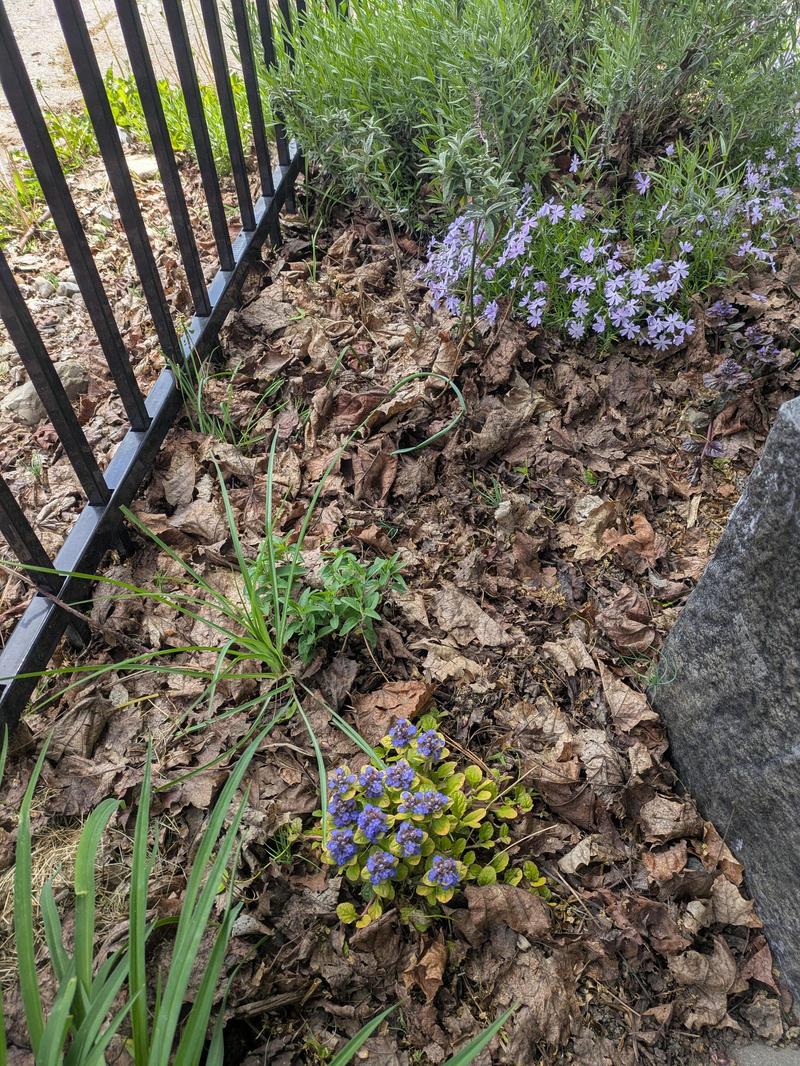
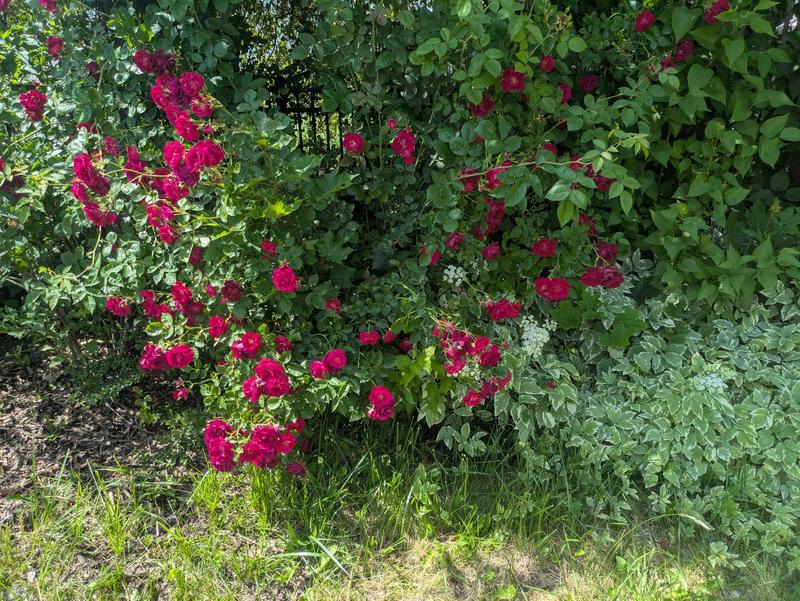
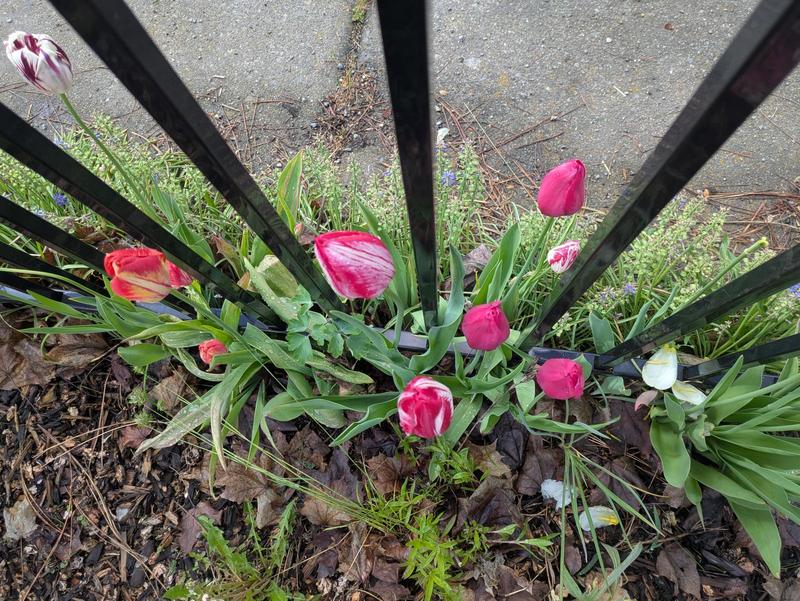
We also have a variety of perennial flowers, many of which were here when we moved into the house seven years ago. A magnolia tree (whose petals are edible), irises, lilies. A couple years ago I added a ton of bulbs along our front fence; this fall, I filled in a few spots with more, and planted around two hundred new bulbs on our front corner (we have a corner lot, and I often neglect the corner because it's outside the fence and harder to maintain with little kids following me).
Herbs
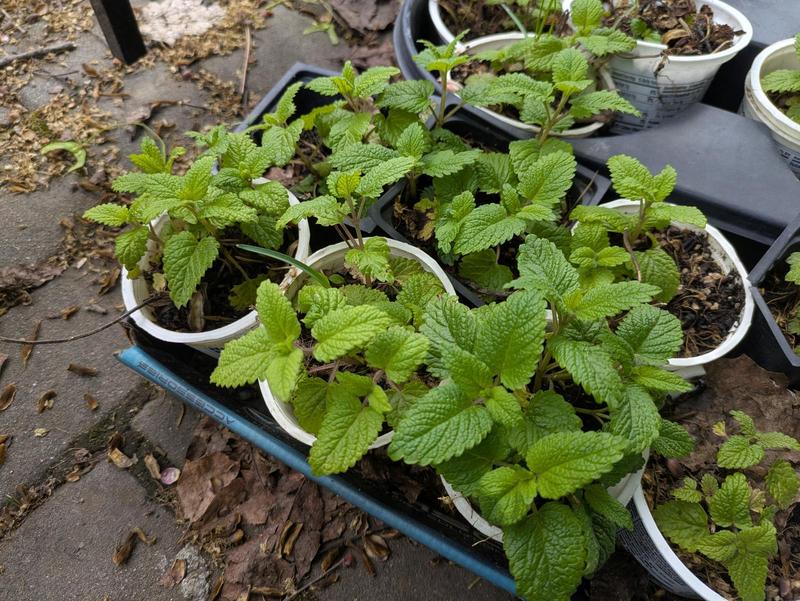
The lemon mint under our crabapple tree is always prolific, especially in late spring and early summer before powdery mildew sets in. Since it is a mint plant, it spreads. (Note, I am not the one who planted it; it was there when we got the house.) As part of my containment effort, I dug up around 50 baby lemon mint plants from the lawn. Most of these I sold or gave away.
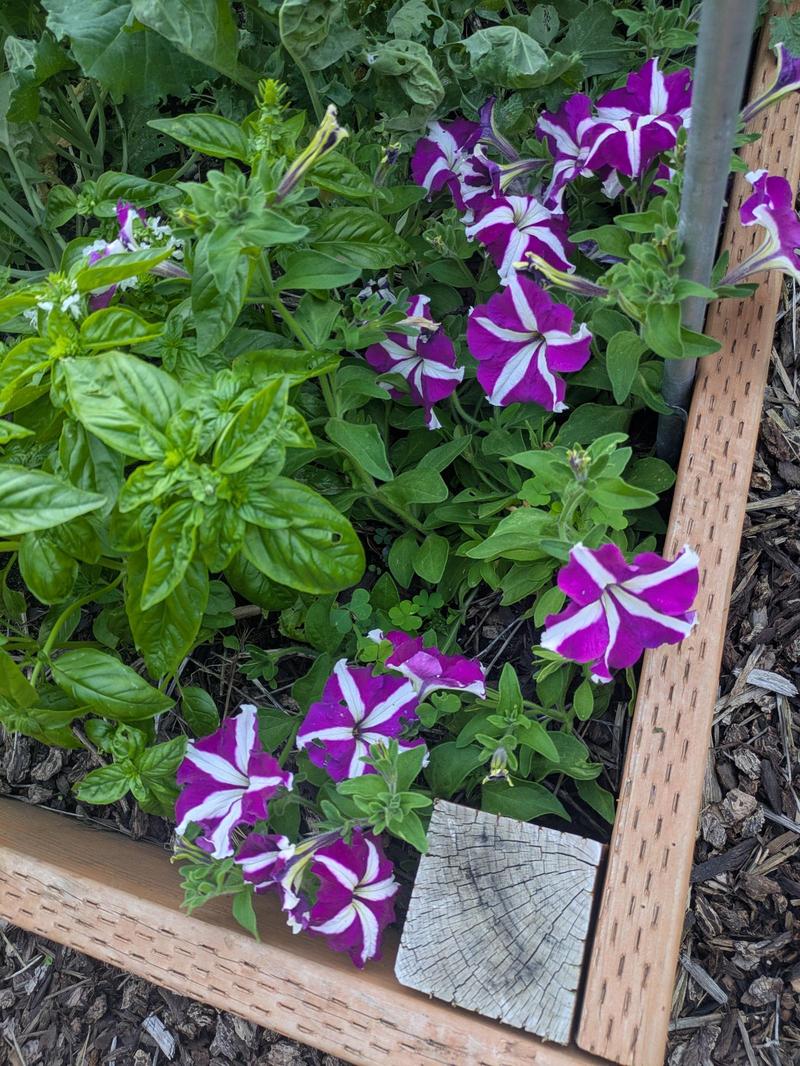
I grew the same assortment of other herbs as in prior years. I used most of the basil fresh in tomato salads and on sandwiches. I harvested and dried plenty of sage, oregano, chamomile, thyme, peppermint, and spearmint for cooking and teas.
Fruit and berries
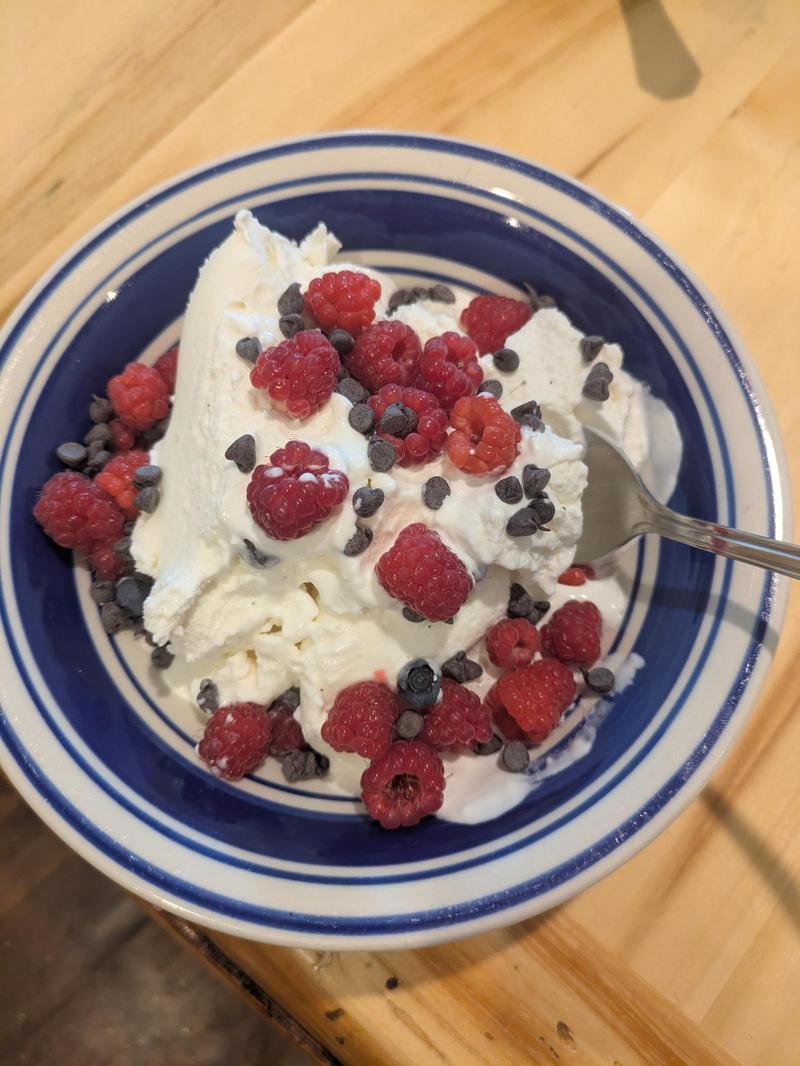
Our raspberries grew prolifically. I also harvested the leaves for tea. Late spring when the raspberries are ripe is usually when I remember about making probiotic fermented whey lemonade, which is extra delicious with a few raspberries smashed in.
The raspberries are creeping in to the garden beds. Last year, I wasn't proactive enough to dig them up and move them… so this year, I felt like I had to leave them where they were because they were fruiting! Next year, I guess, I'll move the rest of them.
We had planted new blueberry bushes in the spring, in a row along our second front lawn. Since we had bought the largest bushes the local nursery had, we did get some berries from them! Enough to snack on!
We had also planted new grapes along a back fence, with a new trellis. Grapes take a few years to become established, so we knew this year we wouldn't harvest any grapes—they would, instead, dig in their roots.
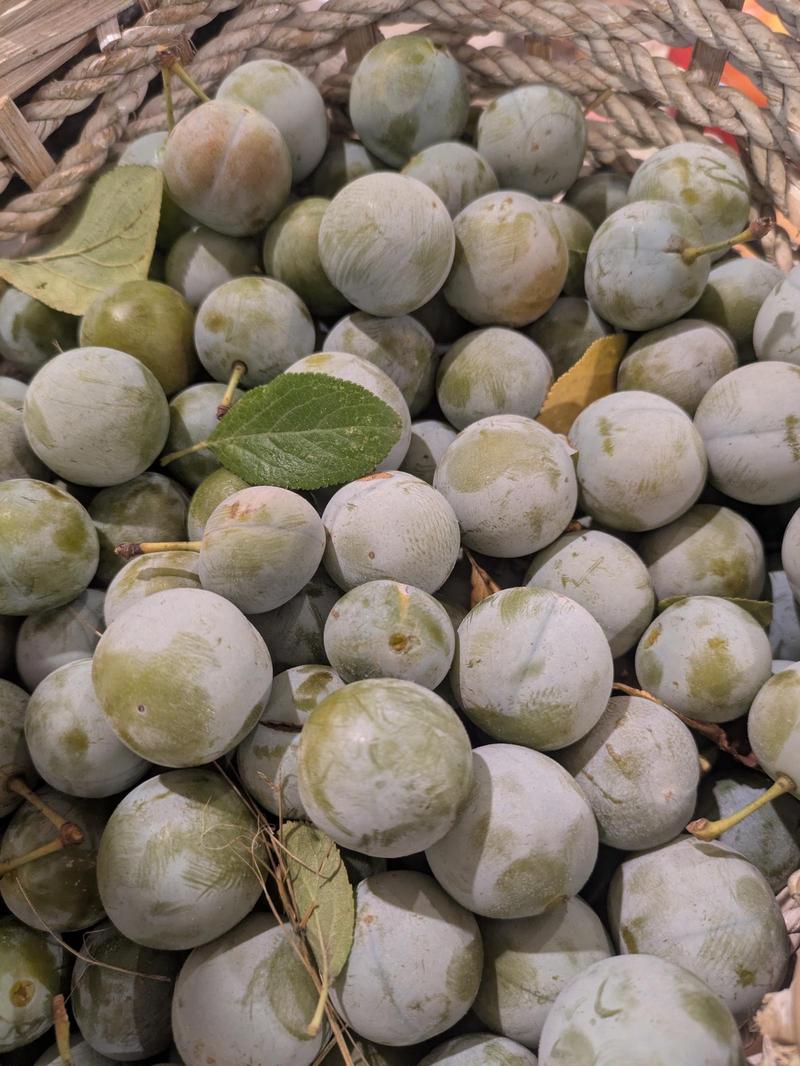
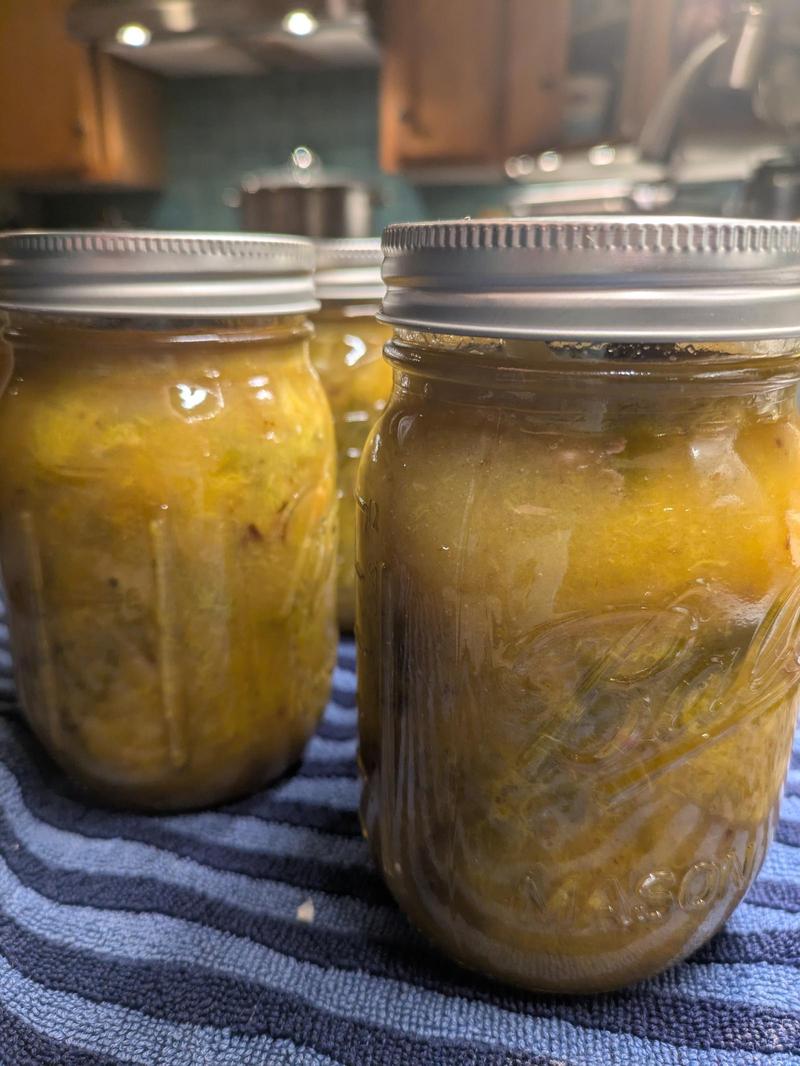
We had a great greengage plum harvest—around sixty pounds off the one tree! We made jam, plum sauce, canned plums, and plum cakes.
Selling plants
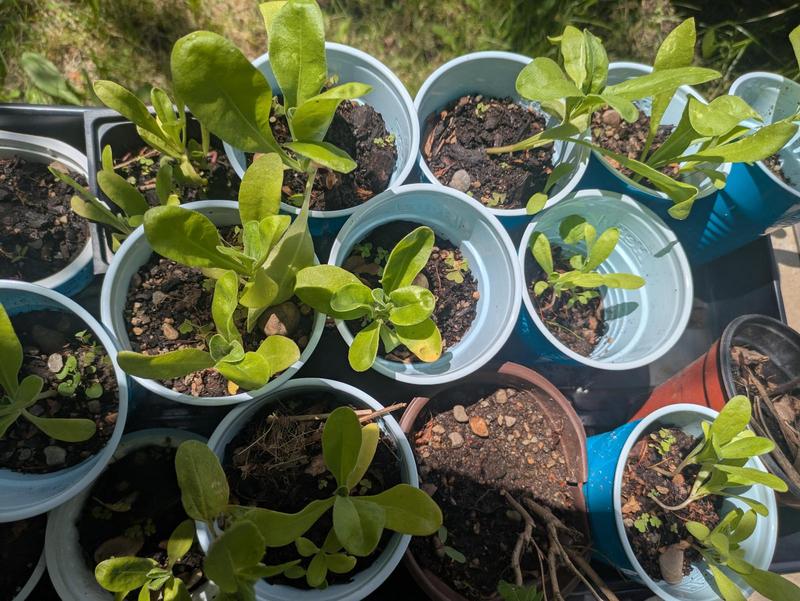
This year, we sold some plants too! I had extra calendula and lemon mint, since both were prolific volunteers. Instead of treating them as weeds, I dug up the plants that came up in the lawn or between garden beds and put them in little pots to share. I had also started more tomatoes than I could fit in my yard.
My 8-year-old started a bunch of basil and sunflowers, which I advertised for him. He made a solid $70! Not bad.
State Fair
This year we entered a few plants in the state fair. My goal with that was to show the kids one way we can participate in the local gardening community, by encouraging friendly competition. I collected the prettiest herbs and rhubarb stalks the day of entry. Now we technically have award-winning rhubarb! (Don't tell, it wasn't first place!) I don't know whether I'll bother entering plants myself again, because I don't actually care about winning ribbons for my vegetables, but perhaps I'll encourage the kids to enter their own plants and flowers. It was fun to look through all the entries and find our own among them!
Looking toward next season
All in all, it was a good year. No harvest was particularly exceptional, but overall, the garden has decent yields. Now, I'm gearing up to prepare my garden beds for next season, such as pulling out old plants and adding a thick layer of compost (tasks I didn't get to in the fall). I'm making a planting schedule and sorting seeds, with an eye toward all the little green shoots that will soon adorn my seed starting shelves.